
A future where everyone who turns to someone for care, advice or support is in safer hands.
Safer Hands is a prevention and education organisation that equips the people others turn to for care, advice and support to prevent harm, uphold rights and respond when someone is unsafe.
How We Can Support You
We develop practical training, programmes and resources in consent and body safety, recognising and responding to harm, online safety, everyday law, and rights, voice and seeking help.
Consent, body safety and boundaries
Bodily autonomy, consent to touch, professional boundaries, supported decision-making, capacity and substitute decision-makers. Explicit attention to people with disability and neurodivergent people.
Recognising and responding to harm
Child abuse, family violence, sexual harm, elder abuse and neglect; responding to disclosures; referral and reporting; concerns about a practitioner or service.
Online safety and technology-facilitated harm
Grooming, sextortion, image-based abuse, controlling or threatening use of technology, digital boundaries and responding to online concerns.
The law in everyday practice
Confidentiality, records, information sharing, reporting, subpoenas, court and tribunal reports, giving evidence, and responsibilities when using AI.
Rights, voice and seeking help
Helping people understand their rights, express preferences, participate in decisions, raise concerns, make complaints and find advice, advocacy or support.
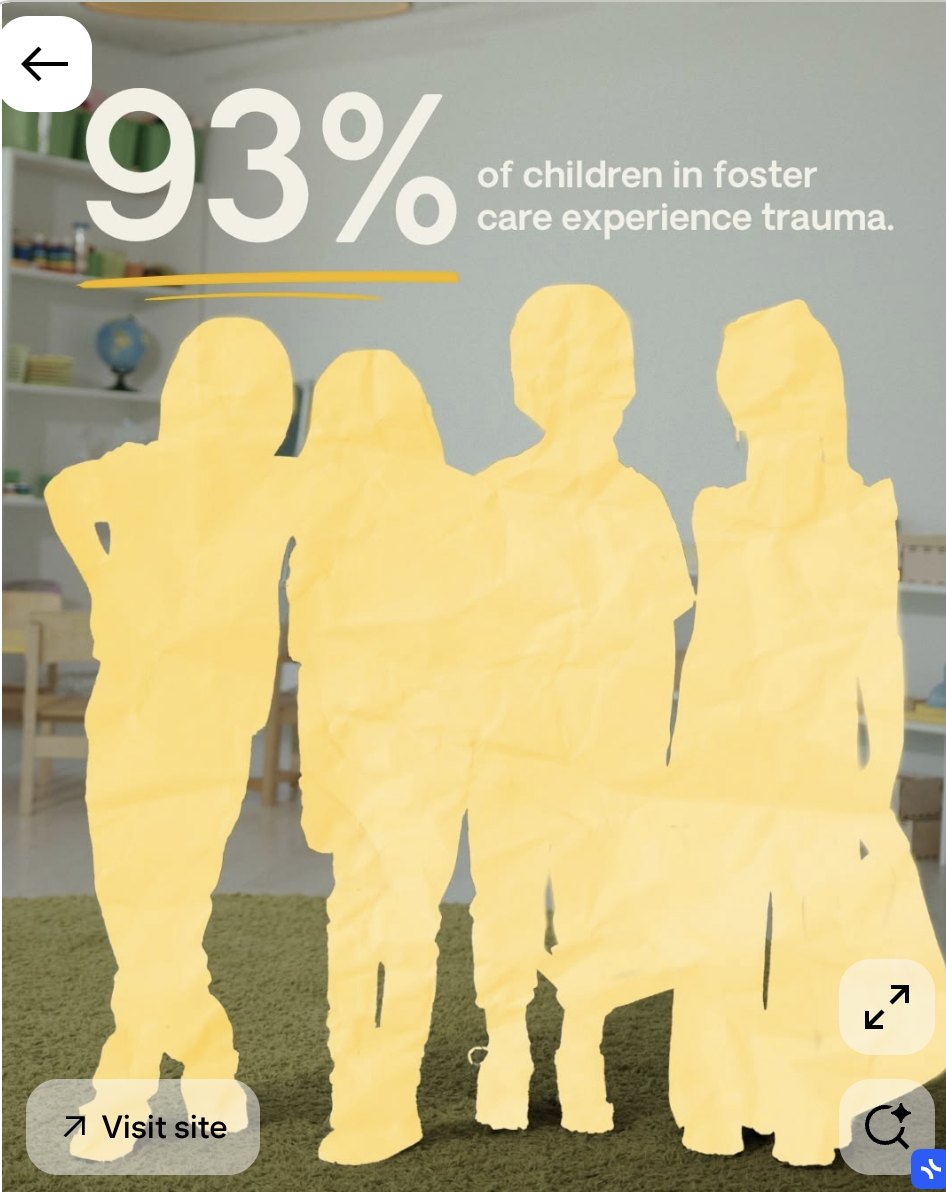
What our work does
Our work helps people make their own practice safer, respond appropriately to concerns, and support others to understand their choices and get help.
Learn MoreWho We Work With
Our clients are organisations responsible for the quality and safety of services:
- Health and allied health services
- Legal services
- Disability and NDIS providers
- Councils
- Community and specialist organisations, including multicultural services
- Universities
Our participants include frontline practitioners, support workers, team leaders and managers, not only people with professional registration. The people we ultimately exist to benefit are the children, adults and families receiving those services.
See Who We Work With

How We Develop the Work
- Accessible communication and communication supports
- Working effectively with interpreters
- Culturally responsive practice
- Trauma-informed approaches
- Attention to power, dependence and barriers to speaking up
- Input from people with relevant lived experience
About Safer Hands
Safer Hands helps frontline professionals prevent harm, uphold people's rights and respond safely when something is wrong. Founded by a lawyer and a physiotherapist, we provide practical training and resources in consent, body safety, safeguarding and the legal responsibilities of working with people.


Bring us a situation.
The starting point for each commission is a concrete question: what situations does this team encounter, and what do they need to be able to say, do or decide differently?
Start a Conversation
Worried about a child right now?
We are an education service and cannot respond to emergencies.
- If a child is in immediate danger, call 000.
- Children and young people can call Kids Helpline on 1800 55 1800 at any time.
- For family, domestic or sexual violence, call 1800RESPECT on 1800 737 732.
- To report online abuse, sextortion or image-based abuse, go to esafety.gov.au.
- To report a concern about a child, contact child protection in your state or territory.
Our Areas of Work
Our work spans five connected areas. Together, they address how professionals make their own practice safer, recognise and respond to harm, understand their responsibilities, and support people to exercise their rights.
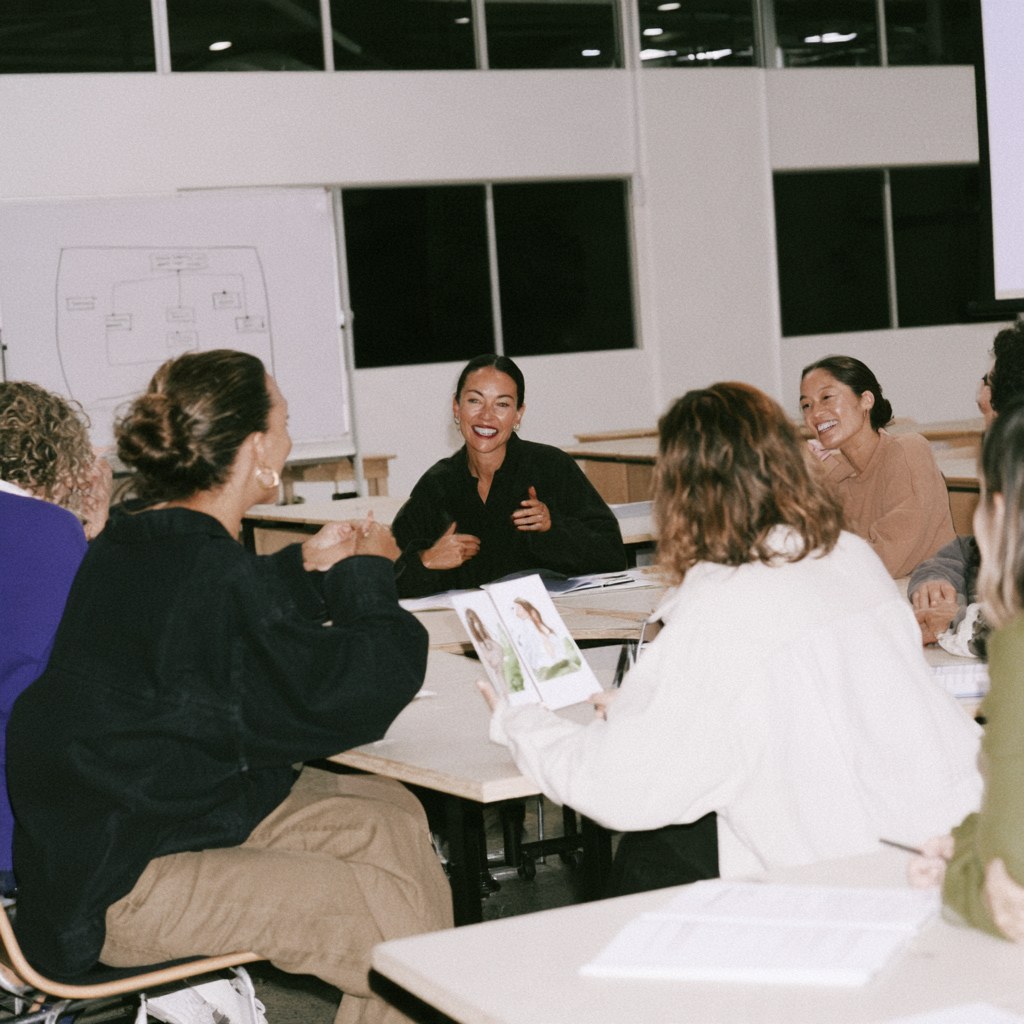
Consent, body safety and boundaries
Bodily autonomy, consent to touch, professional boundaries, supported decision-making, capacity and substitute decision-makers. Explicit attention to people with disability and neurodivergent people.
What belongs within it
- Bodily autonomy and ownership of one’s body.
- Consent to touch, treatment, personal care, interviews, photographs and recordings.
- Ongoing consent: hesitation, refusal, withdrawal and changing preferences.
- Professional power, dependence and boundaries.
- Supported decision-making, capacity and substitute decision-makers.
- Consent involving children and young people.
- Explicit attention to people with disability and neurodivergent people, including communication and sensory needs.
- The roles of family members, carers, interpreters and support people.
What participants would learn to do
- Explain what is proposed, why, and what alternatives are available.
- Check understanding without relying only on “Do you understand?”
- Make space for questions, preferences and refusal.
- Recognise when to pause, adapt communication or seek advice.
- Support the person to participate rather than automatically defer to a companion.
- Work through boundary questions involving touch, gifts, personal disclosure and contact outside appointments.
Examples of training and resources
- Consent and touch in hands-on care.
- Consent and body safety in disability support.
- Supported decision-making in everyday practice.
- Professional boundaries workshops.
- Consent conversation guides, scenario cards and accessible explanations of what to expect.
Recognising and responding to harm
Child abuse, family violence, sexual harm, elder abuse and neglect; responding to disclosures; referral and reporting; concerns about a practitioner or service.
What belongs within it
- Child abuse and neglect.
- Family violence and coercive control.
- Sexual violence, harassment and exploitation.
- Elder abuse and abuse of people with disability.
- Disclosures, observed concerns and uncertainty about possible harm.
- Concerns about a colleague, practitioner, carer or service.
- Responding to immediate safety concerns.
- Documentation, referral, reporting and escalation.
- Role-appropriate responses when working with people who use violence, developed with specialist input.
- Staff support after difficult disclosures.
What participants would learn to do
- Respond calmly and respectfully when someone raises a concern.
- Listen without interrogating, investigating or promising a particular outcome.
- Explain next steps and relevant limits to confidentiality.
- Identify when urgent assistance or specialist advice is needed.
- Record concerns clearly and follow relevant response pathways.
- Respond to concerns about their own organisation rather than treating harm as something that only happens elsewhere.
- Seek appropriate supervision, debriefing or support.
Examples of training and resources
- Responding to disclosures of abuse and harm.
- Family violence responses within your professional role.
- Child safety in everyday service settings.
- Recognising and responding to elder-abuse concerns.
- Disclosure-response prompts, recording guides, referral maps and manager follow-up guides.
Online safety and technology-facilitated harm
Grooming, sextortion, image-based abuse, controlling or threatening use of technology, digital boundaries and responding to online concerns.
What belongs within it
- Online grooming and sexual exploitation.
- Sextortion and image-based abuse.
- Online harassment, threats and unwanted contact.
- Technology used to monitor, isolate, intimidate or control someone.
- Consent involving images, recordings and digital sharing.
- Professional boundaries in messaging, social media and online service delivery.
- Disclosures involving digital content.
- Appropriate referral, reporting and escalation pathways.
- The limits of a frontline worker’s role in handling digital material or responding to technology-related concerns.
What participants would learn to do
- Recognise when an online concern may involve abuse, coercion or exploitation.
- Respond without blame or assumptions about the person’s technology use.
- Consider whether a communication channel is appropriate before using it.
- Maintain clear digital boundaries with clients and service users.
- Know when to stop and seek specialist advice rather than inspect devices or attempt technical intervention.
- Explain available next steps without taking over the person’s decisions.
Examples of training and resources
- Responding to online harm in frontline roles.
- Digital boundaries for staff and volunteers.
- Consent, images and recordings.
- Technology-facilitated harm scenarios.
- Online-contact protocols, response prompts and accessible help-seeking resources.
The law in everyday practice
Confidentiality, records, information sharing, reporting, subpoenas, court and tribunal reports, giving evidence, and responsibilities when using AI.
What belongs within it
- Consent, capacity and decision-making authority.
- Confidentiality, privacy and their limits.
- Records, documentation, access and correction requests.
- Information sharing, reporting and organisational escalation.
- Requests from family members, other services, police and lawyers.
- Subpoenas and other formal demands for information.
- Reports for courts and tribunals, and giving evidence.
- Advance care directives and substitute decision-making in relevant settings.
- Role-specific safeguarding, incident and conduct obligations.
- Consent, privacy, accuracy and accountability when using AI.
What participants would learn to do
- Distinguish a legal requirement from organisational policy or preferred practice.
- Recognise questions that require legal or specialist advice.
- Explain confidentiality in understandable terms.
- Write records that distinguish observations, statements and professional opinions.
- Work through requests for information using a structured process.
- Recognise and escalate formal legal documents promptly.
- Understand the scope and limits of their contribution to reports and evidence.
- Ask appropriate questions before using AI with sensitive information.
Examples of training and resources
- Confidentiality, records and information sharing.
- Subpoenas, reports and giving evidence.
- Consent and capacity for your service setting.
- The law for team leaders and managers.
- Responsible AI use in professional practice.
- Decision guides, recordkeeping checklists and formal-request escalation tools.
Rights, voice and seeking help
Helping people understand their rights, express preferences, participate in decisions, raise concerns, make complaints and find advice, advocacy or support.
What belongs within it
- Accessible information about rights and service expectations.
- Participation in decisions and expressing preferences.
- Asking questions, disagreeing, refusing and requesting alternatives.
- Access to interpreters, communication supports and advocacy.
- Raising concerns and making complaints.
- Barriers to speaking up, including dependence on a service and fear of consequences.
- Finding advice, specialist support and independent help.
- Responding when someone says their rights have not been respected.
- Involving people using services in resource design and service improvement.
What participants would learn to do
- Explain rights through practical examples rather than abstract statements.
- Invite preferences, disagreement and feedback.
- Make complaints and support options understandable and accessible.
- Respond to a concern without defensiveness or pressure to withdraw it.
- Support someone to contact an advocate or another service.
- Distinguish helping a person speak from speaking on their behalf.
- Develop resources with the people expected to use them.
Examples of training and resources
- Rights in everyday service interactions.
- Supporting voice, choice and complaints.
- Helping children and adults seek support.
- Accessible rights guides, “what to expect” resources, complaints explainers and conversation tools.
- Co-designed education for people using services, families and supporters.
How the areas connect
A single situation may draw on several areas. For example, a person disclosing that their partner monitors their phone could prompt learning about responding to harm, safe communication, confidentiality, documentation and access to support. The areas therefore provide a curriculum map, not five isolated courses.
These areas set out a proposed scope for programme development, not a promise that every topic will be covered in every workshop or offered at launch. Content would be tailored to the audience, setting and relevant jurisdiction, with specialist partners involved where needed.
Work With UsWho We Work With
We work with organisations responsible for the quality and safety of care, advice and support; education providers preparing people for practice; and organisations commissioning learning across a workforce or sector.
Organisations commission the work; staff, students and communities participate; and children, adults and families benefit. People receiving services should also help shape the work, not appear only in the final column.
Service providers and community organisations
Health and allied health services
Organisations and settings: Private practices, multidisciplinary clinics, community health services, hospitals and rehabilitation services.
Participants: Clinicians, allied health assistants, reception and intake staff, practice managers, clinical educators and team leaders.
Potential training and resource needs: Consent and touch; body safety and boundaries; supported decision-making; recognising and responding to harm; confidentiality and records; interpreters; responsible AI use.
People who ultimately benefit: Patients and clients, including children and adults, and their families, carers and supporters.
Legal services
Organisations and settings: Community legal centres, legal aid services, private firms and specialist legal services.
Participants: Lawyers, paralegals, intake staff, client-support workers, practice managers and supervising lawyers.
Potential training and resource needs: Trauma-informed interviewing; consent and client instructions; communication and decision-making supports; family violence and online harm; disclosures; confidentiality; boundaries and referrals.
People who ultimately benefit: People seeking legal help, particularly those experiencing distress, unequal power or barriers to accessing services.
Disability and NDIS providers
Organisations and settings: Disability support organisations, therapy providers, support coordination services, supported accommodation and community participation services.
Participants: Support workers, support coordinators, clinicians, service managers, safeguarding and quality staff, and team leaders.
Potential training and resource needs: Consent and bodily autonomy; supported decision-making; accessible communication; boundaries; abuse and neglect; complaints and disclosures; online safety; documentation, reporting and escalation within role.
People who ultimately benefit: People with disability, including neurodivergent people, and their families, carers and supporters.
Aged-care and older-person services
Organisations and settings: Residential aged care, home-care providers, community-based aged services, respite services and older-person support organisations.
Participants: Care workers, clinicians, lifestyle and activities staff, intake staff, coordinators, managers and volunteers.
Potential training and resource needs: Consent and touch; autonomy and dignity; supported and substitute decision-making; recognising elder abuse; responding to concerns; family involvement; confidentiality, records and help-seeking.
People who ultimately benefit: Older people receiving care and support, and their families, carers and supporters.
Councils
Organisations and settings: Libraries, leisure and recreation, maternal and child health, youth services, community development, early years, and aged and disability services.
Participants: Customer-facing staff, librarians, youth workers, programme facilitators, health staff, contractors, volunteers, coordinators and managers.
Potential training and resource needs: Child safety; boundaries; disclosures; family violence and elder-abuse concerns; online safety; accessible community information; rights, referral and escalation pathways.
People who ultimately benefit: Residents and people using council services, including children, young people, older people and families.
Child, youth and family services
Organisations and settings: Family-support organisations, youth services, parenting programmes, foster-care and out-of-home-care services.
Participants: Caseworkers, youth workers, family-support staff, carers, educators, volunteers, supervisors and managers.
Potential training and resource needs: Body safety and consent; children’s participation; professional boundaries; disclosures; family violence; grooming and online harm; documentation, information sharing, reporting and referral.
People who ultimately benefit: Children, young people, parents, carers and families using these services.
Housing and homelessness services
Organisations and settings: Community housing providers, homelessness services, crisis accommodation and tenancy-support programmes.
Participants: Housing and tenancy workers, caseworkers, intake and reception staff, outreach workers, volunteers and managers.
Potential training and resource needs: Responding to disclosures; family violence concerns; privacy and confidentiality; professional boundaries; information sharing; accessible communication; complaints and referral pathways.
People who ultimately benefit: Tenants, people experiencing or at risk of homelessness, and their children and families.
Multicultural, settlement and migrant services
Organisations and settings: Settlement organisations, migrant and refugee support services, multicultural associations and ethno-specific community organisations.
Participants: Bicultural workers, settlement workers, community educators, intake staff, interpreters participating in agreed training, volunteers and programme managers.
Potential training and resource needs: Culturally responsive conversations about consent and safety; working with interpreters; confidentiality in community settings; disclosures; family violence and online harm; rights, complaints and help-seeking.
People who ultimately benefit: Migrants, refugees, people seeking asylum, culturally and linguistically diverse communities, and their families.
Community, advocacy and specialist organisations
Organisations and settings: Neighbourhood houses, community centres, advocacy organisations, carer services and specialist support organisations.
Participants: Community workers, advocates, educators, peer workers, intake staff, volunteers, coordinators and managers.
Potential training and resource needs: Consent and boundaries; accessible rights information; responding to concerns; disclosures and referrals; online safety; complaints and advocacy; tailored education for staff or communities.
People who ultimately benefit: People and communities accessing support, including those facing barriers to information, participation or services.
Sport, recreation and community clubs
Organisations and settings: Sporting clubs, recreation providers, community clubs and associations.
Participants: Coaches, instructors, officials, administrators, volunteers, committee members and safeguarding leads.
Potential training and resource needs: Consent and touch; safe boundaries; adult–child interactions; digital communication; disclosures; complaints and referral pathways. Safeguarding in sport includes responsibilities across coaching, administration, volunteering and leadership.
People who ultimately benefit: Children, young people and adults participating in sport and recreation, and their families.
Faith-based and other community institutions
Organisations and settings: Faith communities, community associations, charitable institutions and organisations running community activities.
Participants: Staff, community leaders, volunteers, programme coordinators, safeguarding leads and governing bodies.
Potential training and resource needs: Boundaries and power; safeguarding; responding to concerns and disclosures; online contact; accessible complaints and help-seeking; referral and escalation.
People who ultimately benefit: People participating in activities or receiving support, including children, adults and families.
Sport, recreation and faith-based organisations can remain potential expansion audiences rather than immediate launch priorities.
Education providers and sector-wide commissioners
Universities
Organisations and settings: Relevant faculties and schools, teaching clinics, placement programmes, student-support services and professional learning units.
Participants or resource users: Students, lecturers, tutors, clinical educators, placement supervisors and student-facing staff.
Potential training and resource needs: Consent, boundaries and safeguarding before placement; responding to disclosures; applying legal responsibilities to realistic situations; accessible and culturally responsive practice; digital conduct and responsible AI use.
People who ultimately benefit: Students, people they work with during placements, and future clients, patients and communities.
TAFEs, RTOs and vocational education providers
Organisations and settings: Vocational courses, workforce-entry programmes, placement preparation and continuing education.
Participants or resource users: Students, apprentices and trainees where relevant, trainers, assessors, placement coordinators and student-support staff.
Potential training and resource needs: Role-specific consent and boundaries; recognising and responding to harm; confidentiality; reporting and referral; online safety; practical scenario-based learning resources.
People who ultimately benefit: Learners and the people they support during placements and employment.
Professional associations and peak bodies
Organisations and settings: Professional membership organisations, industry associations and sector representative bodies.
Participants or resource users: Members, educators, practice leaders, professional-development teams and member-support staff.
Potential training and resource needs: Member workshops; conference sessions; profession-specific scenarios; practical guides; learning series; facilitator resources and shared education programmes.
People who ultimately benefit: Members and the clients, patients and communities they serve.
Service networks and workforce partnerships
Organisations and settings: Regional networks, provider alliances, communities of practice and cross-sector collaborations.
Participants or resource users: Staff from multiple organisations, network coordinators, practice leaders, educators and managers.
Potential training and resource needs: Shared learning programmes; cross-service referral scenarios; common resources; facilitated case discussion; consistent approaches to consent, disclosures and rights.
People who ultimately benefit: People whose care or support involves multiple services.
Government departments, agencies and programme teams
Organisations and settings: Teams commissioning workforce development, public education or resources for funded services and communities.
Participants or resource users: Funded service providers, programme staff, educators, community partners and public-facing workforces.
Potential training and resource needs: Commissioned training packages; accessible public information; facilitator guides; tailored learning resources; pilot programmes and evaluation materials.
People who ultimately benefit: The people and communities the commissioned programme is intended to serve.
Development and delivery partners
These organisations may also be clients, but partnership should have its own agreed purpose, roles, remuneration and benefits.
Aboriginal community-controlled organisations and Aboriginal-led specialists
Potential role: Lead or shape relevant cultural safety work; advise on whether and how a project should proceed; develop or deliver agreed content.
Specialist family violence and sexual assault organisations
Potential role: Provide specialist review, co-design or co-delivery for content beyond the founders’ expertise, including work concerning people who use violence.
Disability advocacy and representative organisations
Potential role: Shape content on autonomy, supported decision-making, accessibility, complaints and help-seeking.
Multicultural and settlement organisations
Potential role: Co-design culturally responsive programmes, community resources and approaches to working with interpreters.
Online-safety and technology-facilitated-abuse specialists
Potential role: Contribute specialist knowledge, review scenarios and clarify the boundaries of introductory training.
People with relevant lived experience and representative groups
Potential role: Help identify priorities, develop realistic scenarios, test resources and assess whether the work reflects the experiences of people using services.
Researchers, educators and evaluation partners
Potential role: Support programme design, learning assessment, evaluation and responsible interpretation of results.
Who participates across these settings
Applying consent, safety and rights in direct interactions with people.
Responding to initial concerns, handling information, maintaining boundaries and knowing when to escalate.
Understanding the responsibilities and limits of their particular role.
Preparing for real situations before placement or employment.
Teaching, modelling and reinforcing safer practice.
Supporting staff, addressing obstacles and embedding learning in everyday work.
Connecting frontline responses with organisational processes and improvement.
Understanding leadership responsibilities and the organisational conditions needed for safer practice.
Understanding rights, expressing preferences, recognising concerns, making complaints and seeking help through specifically designed resources or programmes.
This maps our potential audiences. It does not mean every group needs every topic, or that every programme will be offered at launch. Each project would be scoped to the organisation's needs, relevant responsibilities and the expertise required.
How We Develop the Work
These are design commitments across the programme, rather than topics confined to a single workshop.
Accessible communication
Use understandable language, varied formats and communication supports. Build opportunities to check meaning and understanding.
Disability inclusion and neurodivergence
Design scenarios and resources around different communication, sensory and support needs, not simply add disability as a special case at the end.
Culturally responsive practice
Consider language, context, experiences of services and barriers to participation. Build practical skills for working with interpreters and relevant community partners.
Aboriginal and Torres Strait Islander cultural safety
Establish Aboriginal-led partnerships to determine the appropriate scope, leadership, content and delivery of this work.
Trauma-informed approaches
Give attention to choice, predictability, respectful communication and how sensitive material is introduced and discussed.
Power and dependence
Ask how professional authority, reliance on services and unequal access to information affect someone’s ability to choose or speak up.
Lived-experience involvement
Pay and support people with relevant experience to help shape priorities, scenarios, resources and evaluation.
Organisational responsibility
Connect individual skills with the procedures, leadership, referral pathways and support staff need to use them.
Development process
- 1
Define the situation and intended change.
- 2
Understand existing resources, responsibilities and constraints.
- 3
Involve relevant community, practice and specialist perspectives.
- 4
Develop realistic scenarios and practical tools.
- 5
Rehearse, test and refine.
- 6
Follow up on use, barriers and what needs changing.
Where every project starts
What situations does this team encounter, and what do they need to be able to say, do or decide differently?
Bring Us a SituationWhat We Offer
Organisations can commission workshops, learning series, programme development, practical resources and bounded follow-up support.

Practical professional learning
Live, interactive workshops and short programmes tailored to a role, setting and defined practice problem.
Example outputs
- Scenario discussions
- Conversation rehearsal
- Practical prompts
- Reflection activities
Programme and resource development
Commissioned learning and information resources for workforces or communities.
Example outputs
- Induction modules
- Facilitator guides
- Accessible rights information
- Conversation guides
- Decision aids
Support to embed learning
Bounded follow-through to help teams use agreed learning and tools.
Example outputs
- Manager briefings
- Team discussion guides
- Facilitated reflection
- Follow-up sessions
Community-informed education
Programmes developed with relevant organisations and the people they support.
Example outputs
- Community sessions
- Accessible resources
- Linked worker learning on consent, safety, rights and help-seeking
Every session should leave participants with something to practise and something to use.
What a commission could look like
These illustrate possible commissions, not an established course catalogue.
- Consent and touch in hands-on care.
- Trauma-informed consent and interviewing in legal services.
- Child safety and safeguarding in everyday council roles.
- Consent, body safety and supported decision-making in disability services.
- Responding to concerns and disclosures within your role.
- Rights, voice and help-seeking in community settings.
- Confidentiality, records and information sharing.
- Subpoenas, reports and giving evidence.
- Digital boundaries and responding to online harm.
- Consent, privacy and accountability when using AI.
What each offer specifies
- The practice problem and intended audience.
- Learning outcomes and deliverables.
- Relevant setting and jurisdiction.
- Required expertise and specialist review.
- Accessibility, community involvement and adaptation.
- Preparation, delivery and follow-up costs.
- Evaluation and review arrangements.

About Safer Hands
Vision
A future where everyone who turns to someone for care, advice or support is in safer hands.
Our purpose
To help prevent harm and uphold people's dignity, choice and rights in the care, advice and support they receive.
Why we exist
We are building Safer Hands because consent, safety and rights need to work in the moments people actually face: an examination, a legal interview, a disclosure or a difficult decision.
What we bring
We bring legal education and clinical practice perspectives together to create realistic learning and tools. We help professionals make their own practice safer, respond appropriately to harm and support people's choices. We also work with organisations and communities to make rights and help-seeking information understandable and usable.
Our people
About Cindy
Cindy is a physiotherapist and educator based in Adelaide, South Australia. For more than 15 years she has worked as a physiotherapist across disability, aged care, community health and sport, including extensive work with children and young people with disability. That work showed her how much body autonomy, consent and supported decision-making matter in everyday care, and how little formal training allied health professionals receive in them.
In 2024 Cindy trained as an educator with Body Safety Australia and launched its programs in South Australia, partnering with local councils, early childhood services and foster care organisations to deliver workshops for children, families, carers and professionals. She is also a guest lecturer on domestic and family violence for final-year physiotherapy students at Adelaide University.
At Safer Hands, Cindy is developing body safety, consent and violence prevention training designed for allied health professionals, so clinicians can build consent into everyday care and respond safely when someone discloses harm.
Cindy also co-founded Yes Please Collective, a small grassroots organisation running paint and sip workshops that deliver education around sexual health and vulvas. The collective has received ShineSA Sexual Health Week grants and sold out multiple shows at the Adelaide Fringe.
About Chami
Chami is an admitted Australian lawyer (non-practising) and legal educator based in Melbourne. She was admitted by the Supreme Court of Victoria in 2022 and does not provide individual legal advice or representation. Her work is about making law and rights make sense to the people who rely on them, and to the professionals who support them.
At Body Safety Australia, a child safety and consent education organisation, Chami was Senior Program Manager for multicultural communities, delivering child safety and consent education across more than 40 language communities. Before that she founded Law Wise Youth, a youth legal education charity run with lawyers and law students.
Chami holds a Juris Doctor and a Bachelor of Arts and Science in criminology and psychology from Monash University, and a Graduate Diploma of Project Management from RMIT.
At Safer Hands, Chami brings legal education and community education together: what the law expects of frontline professionals, how to explain rights in plain language, and how to make programmes work across cultures and languages.
The moments we work on
A physiotherapist notices a patient become hesitant during an examination. A lawyer hears a client describe controlling behaviour at home. A community worker receives a disclosure of abuse. A young person shows a trusted adult threatening messages.
What should they say? What should they do next?
Safer Hands helps professionals and organisations work through these moments.
The questions people bring us
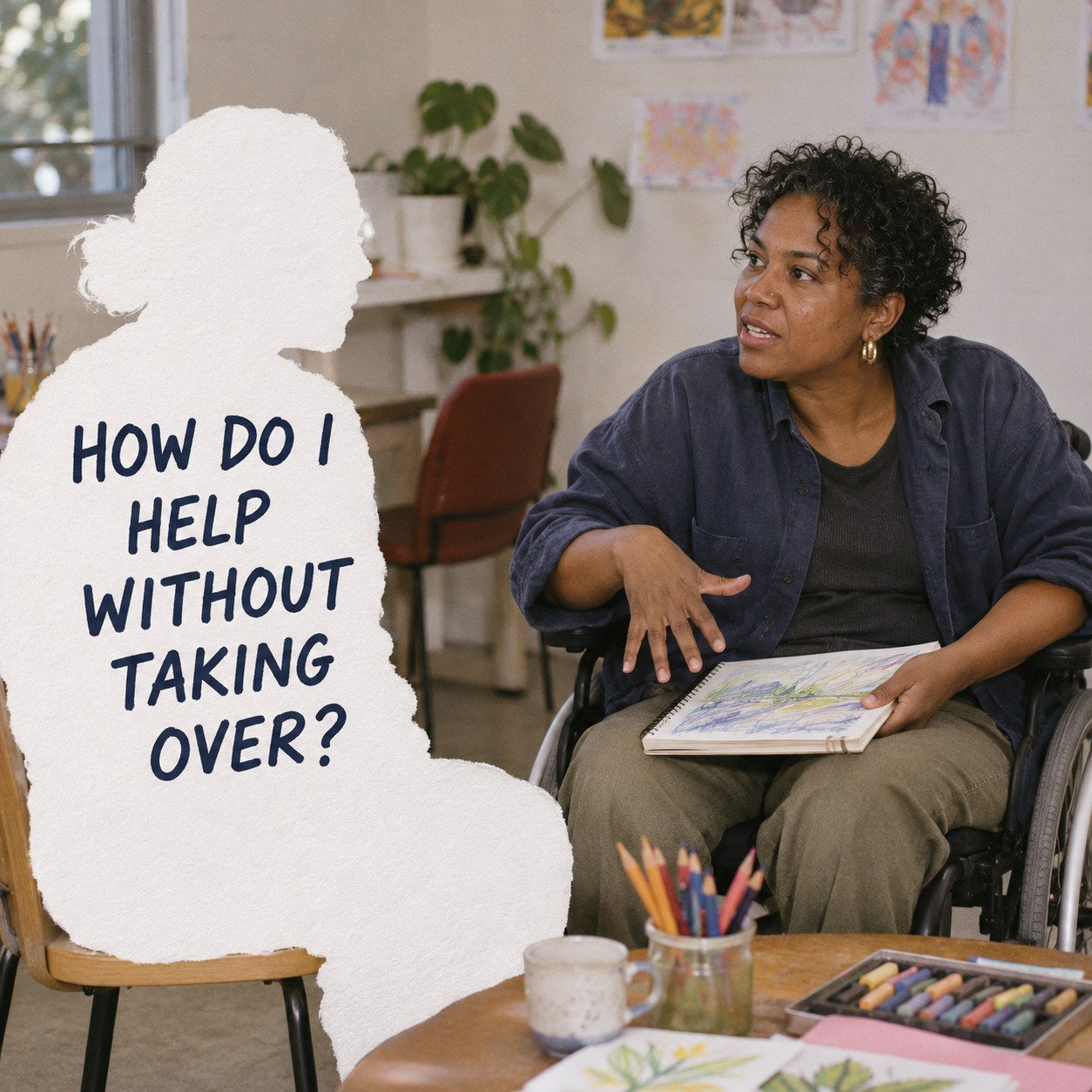
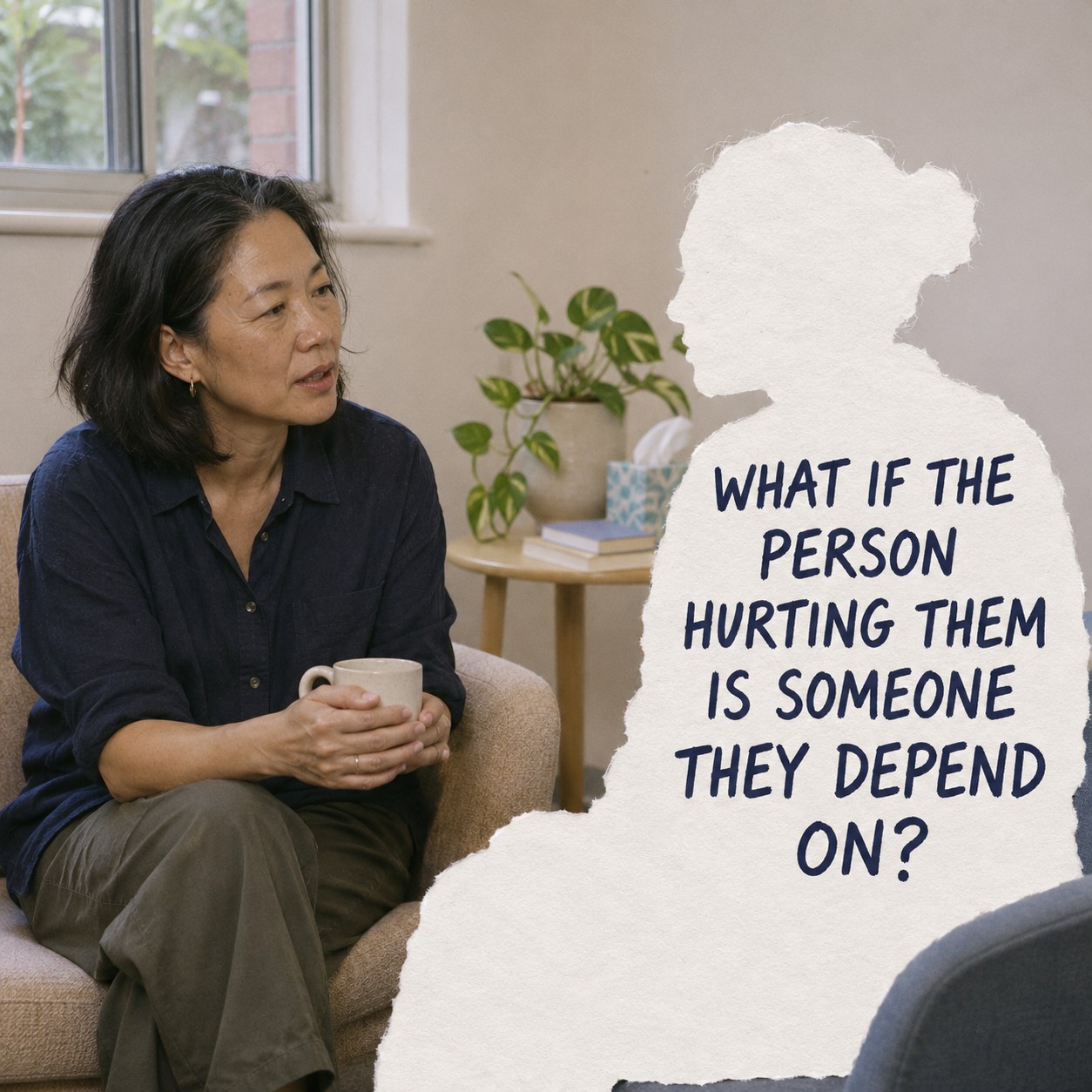
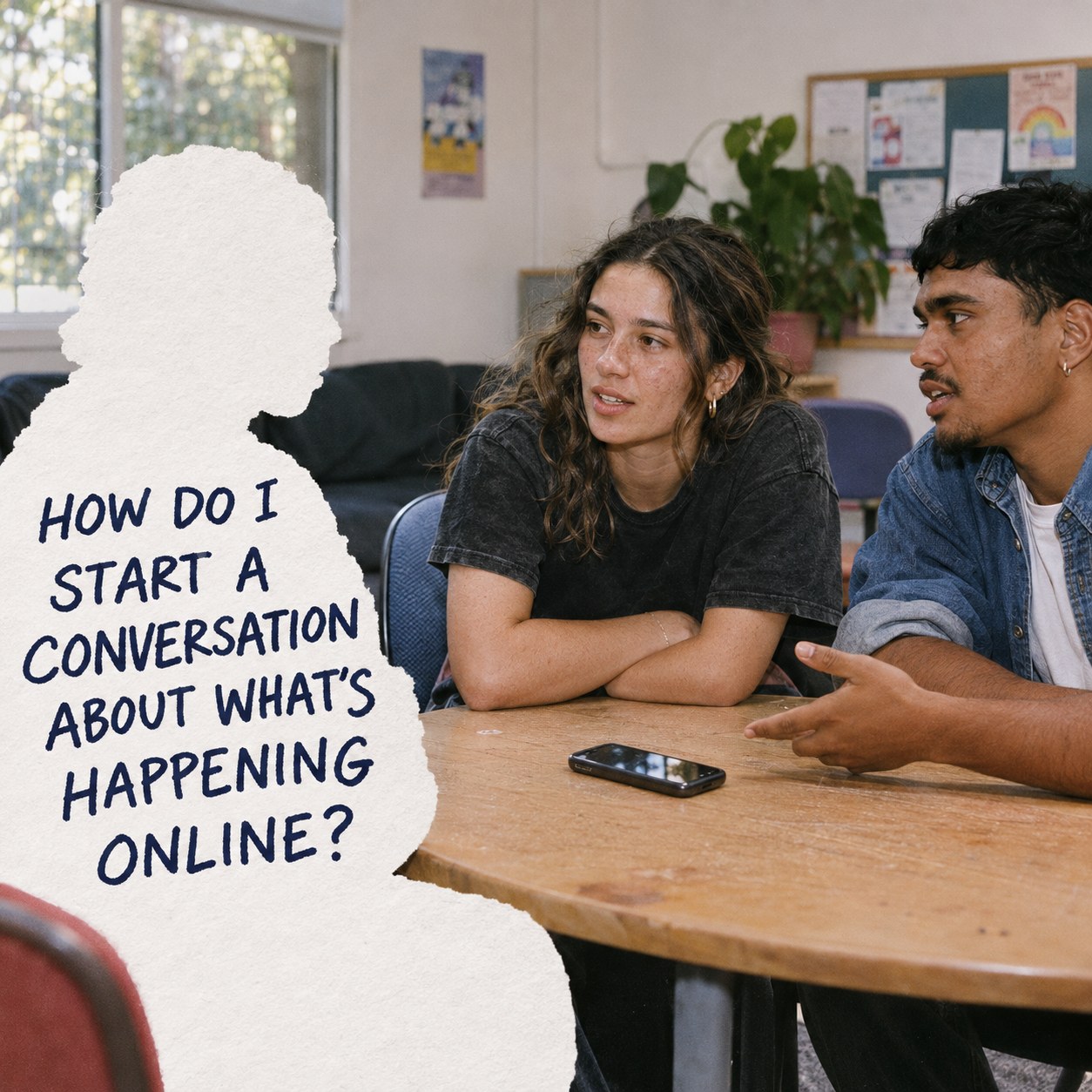
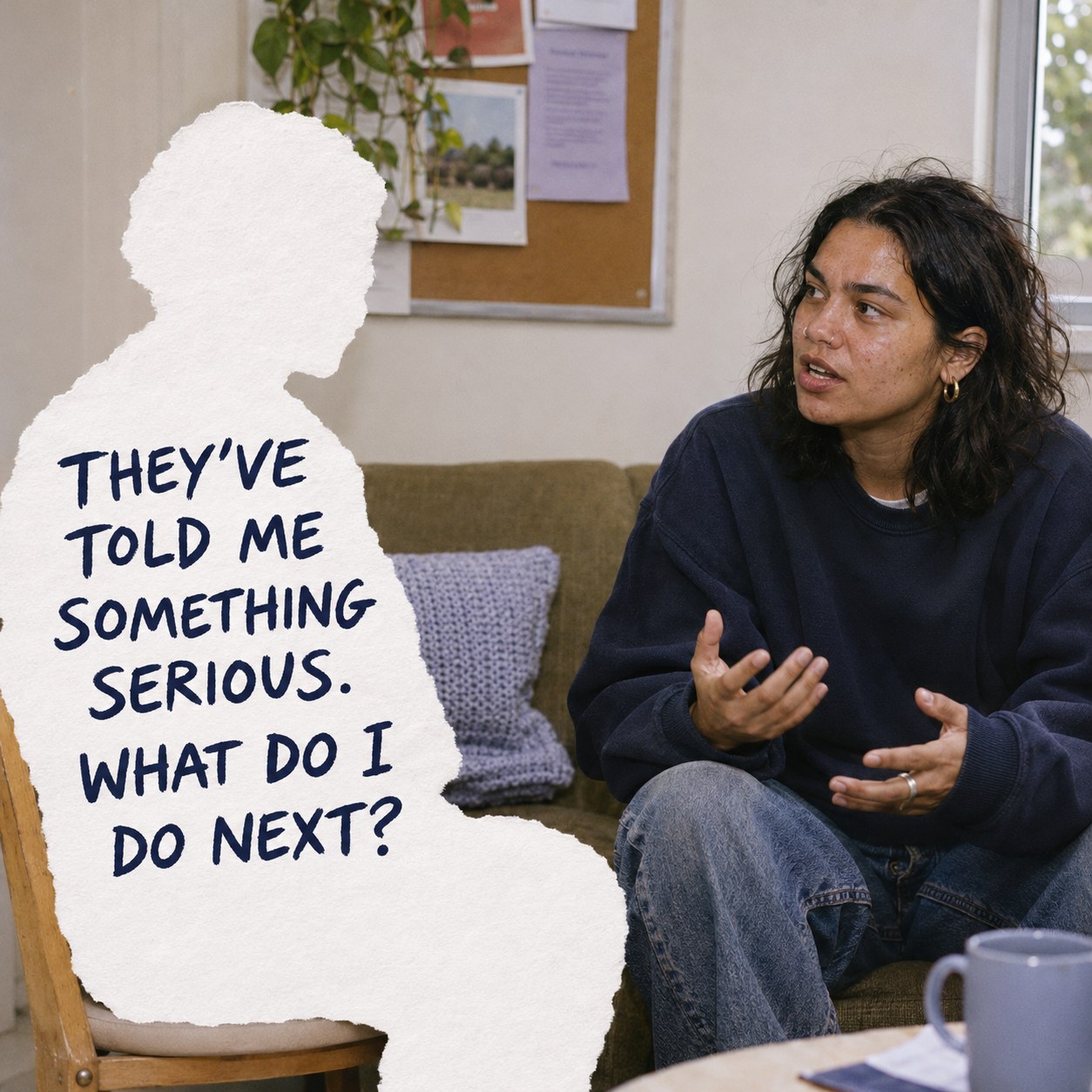
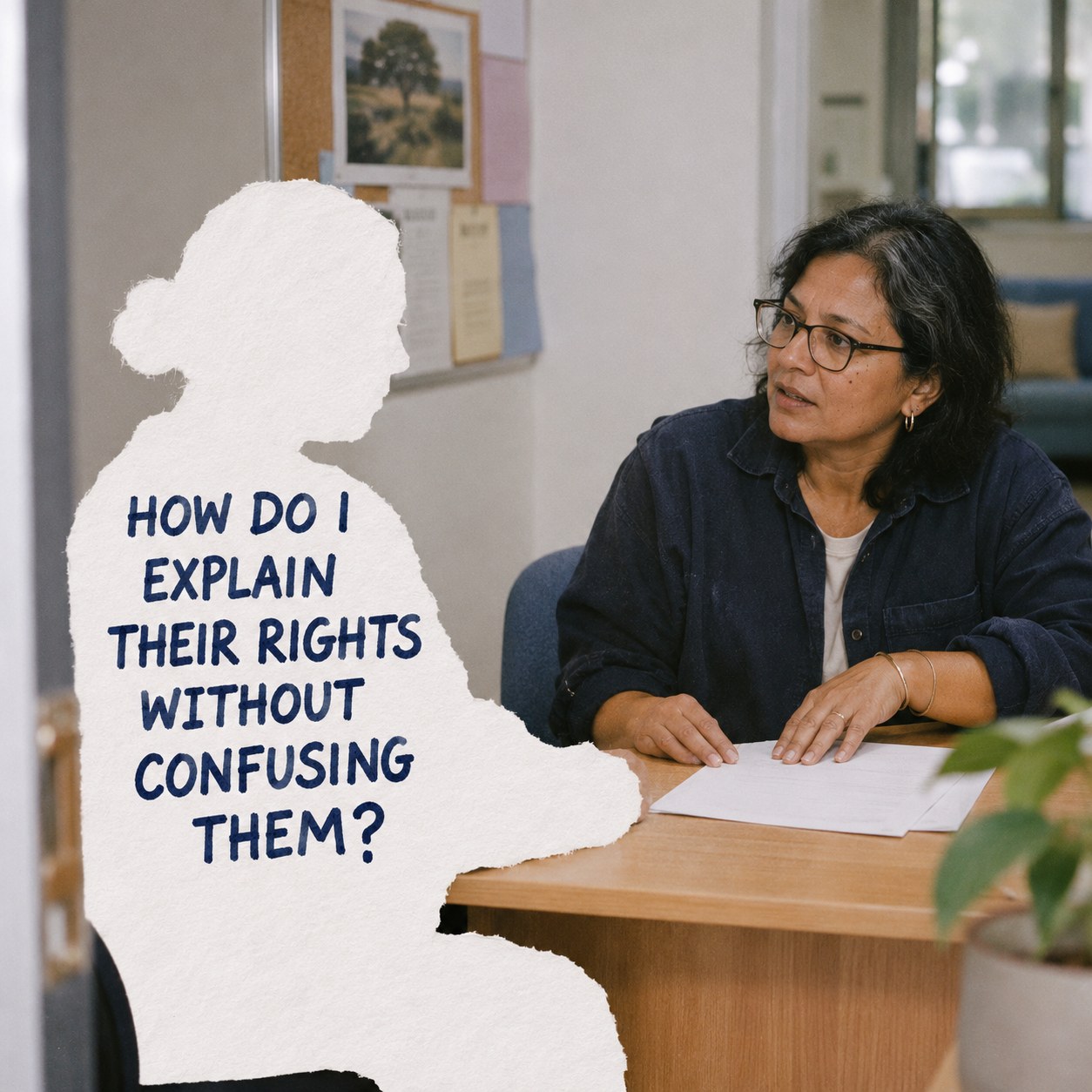
Swipe or scroll sideways to see all five.
Three connected responsibilities

Make everyday practice safer
Respectful communication, genuine choice, appropriate boundaries and attention to power.
Recognise and respond to harm
Listen, consider safety, document, refer and escalate within the person's role.
Support rights and agency
Help people understand options, express preferences, raise concerns and seek independent support.
Intended outcomes
For people receiving services
Clearer information, more meaningful participation and choice, and more accessible routes to raise concerns or seek help.
For participants
Stronger practical skills and judgment, including recognising uncertainty and knowing when to seek advice.
For organisations
Learning and resources connected to their responsibilities, procedures and the support staff need to act appropriately.
These are intended outcomes to evaluate, not established impact claims. Initial evaluation should distinguish relevance and satisfaction from demonstrated learning, use in practice and longer-term contribution to preventing harm.
Bring Us a Situation
Bring us a situation your team finds difficult, a learning need or a resource that needs to be clearer. We will work with you to define the audience, intended change, scope and right format.

Common Questions
Is this legal advice or clinical supervision?
No. Safer Hands provides education and general information. It does not replace individual legal advice, clinical supervision or specialist services.
What is outside your scope?
The proposed scope does not include clinical treatment, investigations, crisis response, specialist case management, cybersecurity or digital forensic services.
Do you run school programmes for children?
A direct schools programme for children is not part of the current launch scope. Adult professional learning and commissioned community resources are separate possibilities.
How does commissioning work?
Organisations can commission workshops, learning series, programme development, practical resources and bounded follow-up support. The proposed model is payment for defined work.
Is every topic covered in every workshop?
No. Content is scoped to the audience, setting, jurisdiction and available expertise. Specialist partners will be involved where needed.
Are these programmes already running?
Safer Hands is being developed. The programmes, audiences and partnerships described here are proposed, and each piece of work is scoped with the organisation that commissions it.
Worried About Someone Right Now?
We are an education service and cannot respond to emergencies.
- If someone is in immediate danger, call 000.
- Children and young people can call Kids Helpline on 1800 55 1800 at any time.
- For family, domestic or sexual violence, call 1800RESPECT on 1800 737 732.
- To report online abuse, sextortion or image-based abuse, go to esafety.gov.au.
- To report a concern about a child, contact child protection in your state or territory.
Funded Programs We Can Support
These programs are already funded and running. If your organisation or council is part of one, we can help you deliver it.
Working Together 2025–2027
Family and sexual violence support with multicultural communities
- Funded by
- Victorian and Australian governments, run by Family Safety Victoria
- Who is funded
- 17 partnerships between multicultural organisations and specialist family or sexual violence services (10 family violence, 7 sexual violence)
- Funding
- Up to $340,000 per stream over two years; more than $5.7 million in total
- Timing
- Closed November 2024. Projects must finish by 31 December 2027
- How we can help
- Staff training, sessions for your community and plain-language resources.
Multicultural Capacity Building Program 2025–26
- Funded by
- Victorian Government (Multicultural Affairs)
- Who is funded
- Close to 200 multicultural organisations. No full list published; only three are named
- Funding
- Streams up to $10,000, $100,000 and $400,000; $4.9 million awarded
- Timing
- Closed 19 February 2026. Announced 6 July 2026. One-year grants
- How we can help
- Training for your staff and volunteers, and help with child safety policies and practice.
Free from Violence Local Government Program
- Funded by
- Victorian Government
- Who is funded
- 12 councils in 2024–27 (Ballarat, Benalla, Darebin, Corangamite, Greater Shepparton, Hindmarsh, Horsham, Knox, Latrobe, Macedon Ranges, Mornington Peninsula, Wellington)
- Funding
- Almost $3 million across the 12 councils; up to $270,000 per council
- Timing
- Running until 2027. The earlier 2022–25 round (15 councils, about $3.5 million) has ended
- How we can help
- Prevention training for council staff and leaders, and education for your community.
Our Policies
What we do and don't do
Safer Hands provides education and general information. It does not replace individual legal advice, clinical supervision or specialist services. The scope does not include clinical treatment, investigations, crisis response, specialist case management, cybersecurity or digital forensic services.
Child Safety and Wellbeing Policy
Coming soon.
Privacy
Coming soon.
Feedback and Complaints
Coming soon.